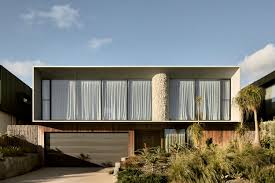
The residential areas along Melbourne’s western coastline have developed a distinct architectural character, one that’s shaped as much by the environment as by design trends. Proximity to Port Phillip Bay, the salt air, the prevailing winds, the particular quality of coastal light all of these influence what good architecture looks like here, and what it needs to do.
Working with an architect in Williamstown or the neighbouring coastal suburbs means working with someone who understands these specifics in a way that general practice doesn’t always demand.
What the Coastal Environment Demands
The physical environment imposes real constraints on residential design in coastal areas. Corrosive salt air requires different material choices: stainless steel fastenings, rather than standard steel, materials that don’t weather badly in constant moisture exposure, finishes that hold up against wind-driven particulates.
Orientation matters enormously too. A house that doesn’t capture the right views, or that places main living areas on the wrong side for morning sun and bay outlook, has missed one of the primary reasons people choose this location. These aren’t decisions that can easily be revised after construction; they’re embedded in the initial design.
The Heritage Overlay Question
Much of inner Williamstown sits within heritage overlays, which place constraints on what can be built or modified. New builds adjacent to Victorian-era workers’ cottages need to address the scale relationship thoughtfully. Additions to existing heritage homes require careful consideration of materials, roof pitch, window proportions, and facade treatment.
An architect who has worked in this kind of planning environment before knows what the rules are and what the planning people want. The architect also knows how to show a design that does what the client needs it to do, while following the rules. This kind of experience is really helpful when you are trying to get a permit.
The Indoor-Outdoor Relationship
Coastal living is, for most people who choose it, partly about being closer to the outside. Architecture that fails to capitalise on these homes with small windows facing the water, poor connection between indoor living spaces and outdoor areas, decks that are unusable in the prevailing wind direction, misses the point of the location.
When we think about homes, we want them to be really nice. These coastal homes are all about how the inside and the outside work. We need to have spaces that are safe from the weather and that we can use all year round. We also need windows that let us see the nice views without getting too much sun or heat.
The materials we use should look good after a long time, not like they are old and worn out. This is not just about making the most of the space it is, but about thinking carefully about the design of these coastal homes.
Finding the Right Architect for the Brief
The first thing to look for is genuine experience with coastal residential projects in this part of Melbourne. A portfolio that includes work in the area of actual completed buildings tells you more than any description. How those buildings have responded to the environment, how they relate to their sites, and whether they’ve stood up well over time, are the questions worth asking when you look at that portfolio.